♠ ♥ ♣ ♦ Gaming · Poker · Web & mobile · UI, UX and game visuals
Game Badlo
A real-money poker game, redesigned to feel exciting and easy to play on both web and mobile.
- Role
- Designer: entire flow, tables, cards, avatars, chips, victory moments
- Company
- Taab Solutions (client project)
- Also known as
- Launched as Poker Magnet, later renamed Game Badlo
- Platform
- Web and mobile
Game Badlo is an online poker game. I designed the entire experience, from the login screens through to the gaming dashboard, on both web and mobile. Beyond the flow, I designed the poker tables, the playing cards, the avatars, the chips, and the victory moments that celebrate a win. The brief was simple: take a dull, hard-to-use earlier design and make it feel like a game people want to play.
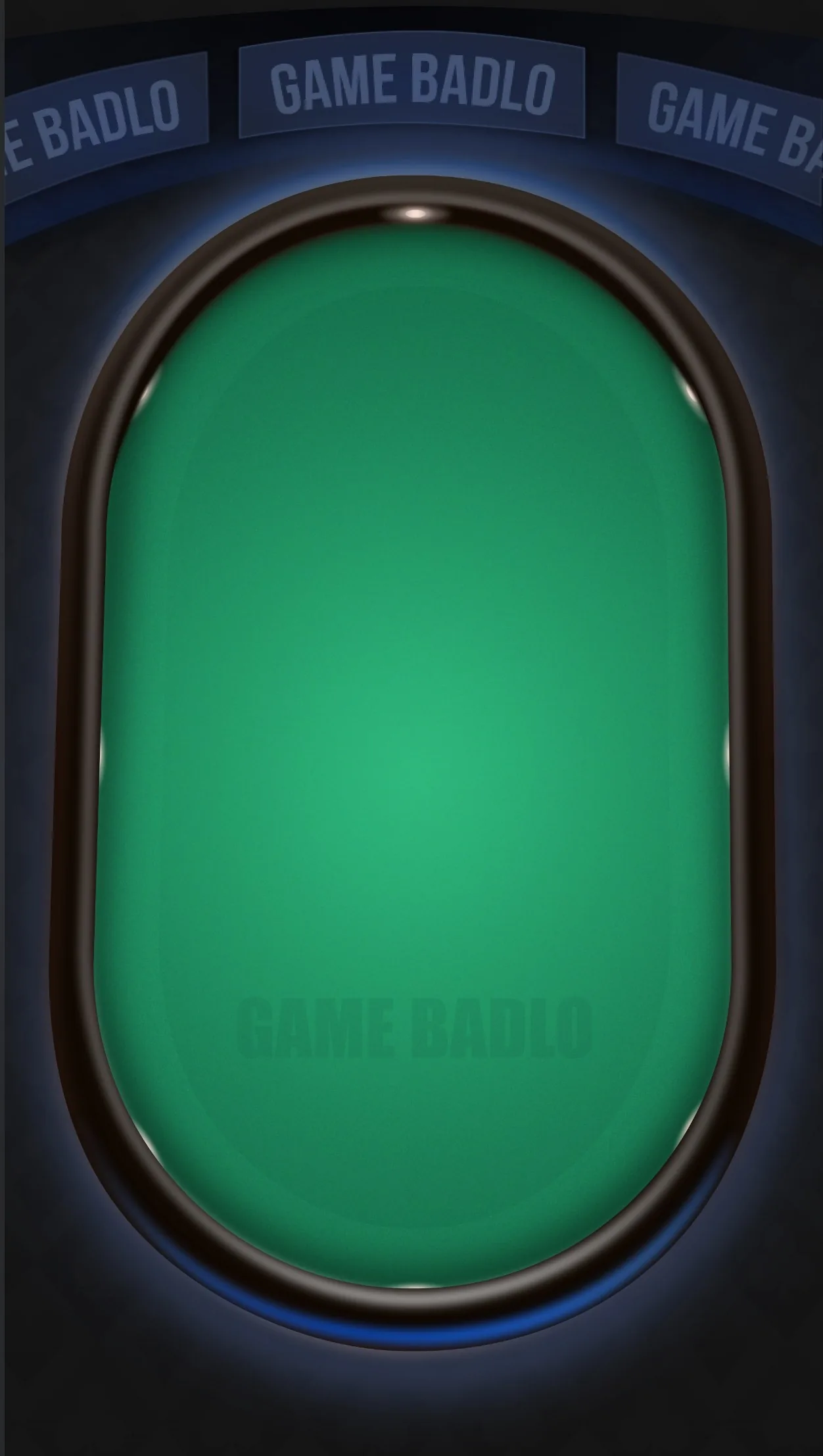
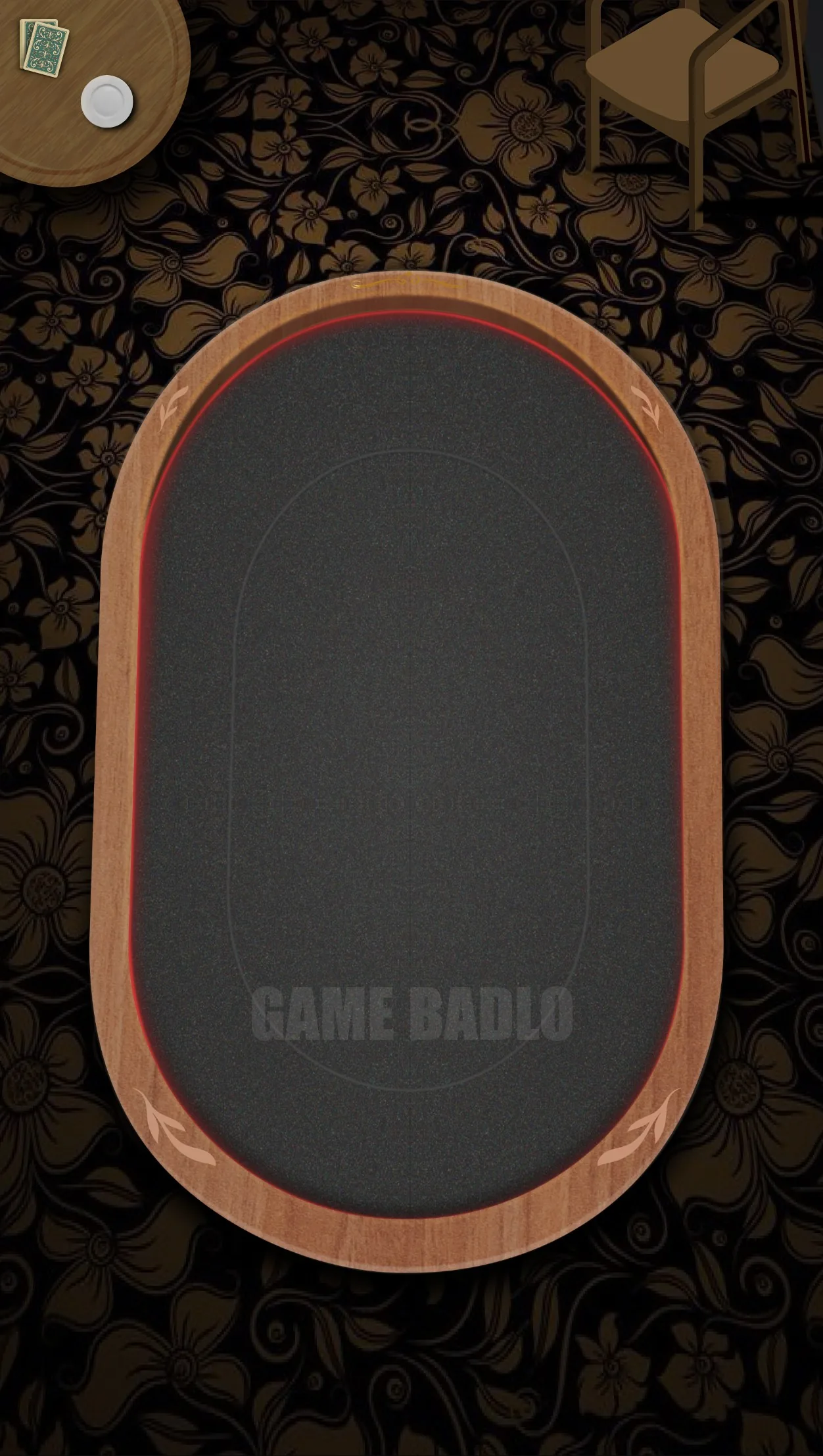
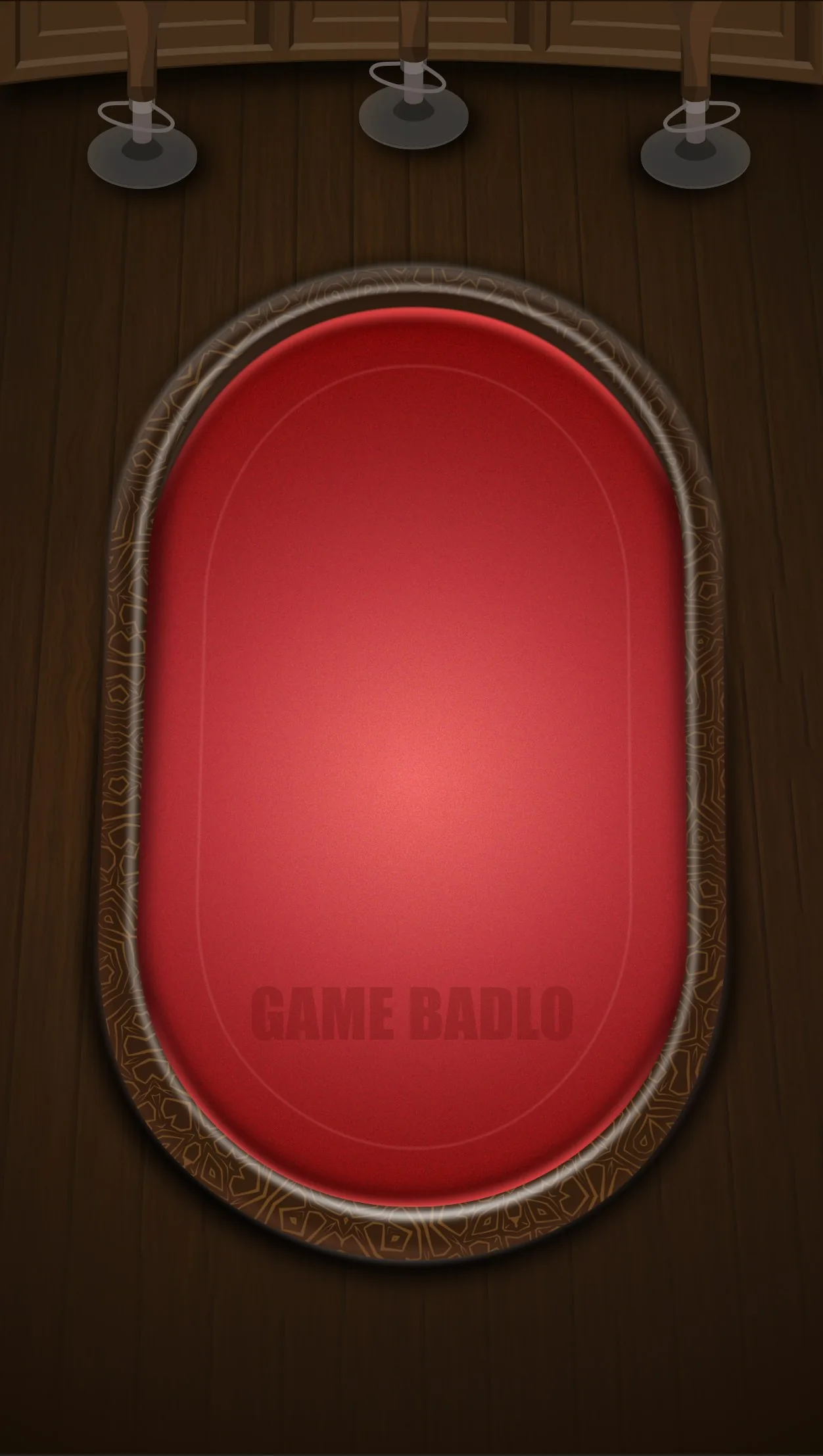

The earlier design was boring and hard to use. A poker game has to feel the opposite.
Poker is a game of tension and excitement. But the existing design didn’t deliver that, it felt flat and wasn’t user-friendly, which is a problem when the whole point is to keep players at the table.
On top of that, a poker table is one of the hardest screens in any app to get right:
- It’s dense, cards, chips, multiple players, bets and timers all on one screen.
- It’s real-time, the state changes every few seconds as a hand plays out.
- It has to work on both a large web screen and a small phone, without losing clarity or energy.
The goal was to make all of that feel clear, fast and genuinely fun, on every screen size.
Poker players who want a game that looks great and plays smoothly wherever they are.


I designed the entire experience, flow and game visuals, across web and mobile.
This wasn’t just screen layout. It was the full product plus the game’s visual identity:
- The complete user flow, from login to the gaming dashboard
- The UI for both web and mobile
- The game assets themselves: tables, cards, avatars, chips and victory moments
That mix of product design and game-asset design is what makes this project different from my other work.

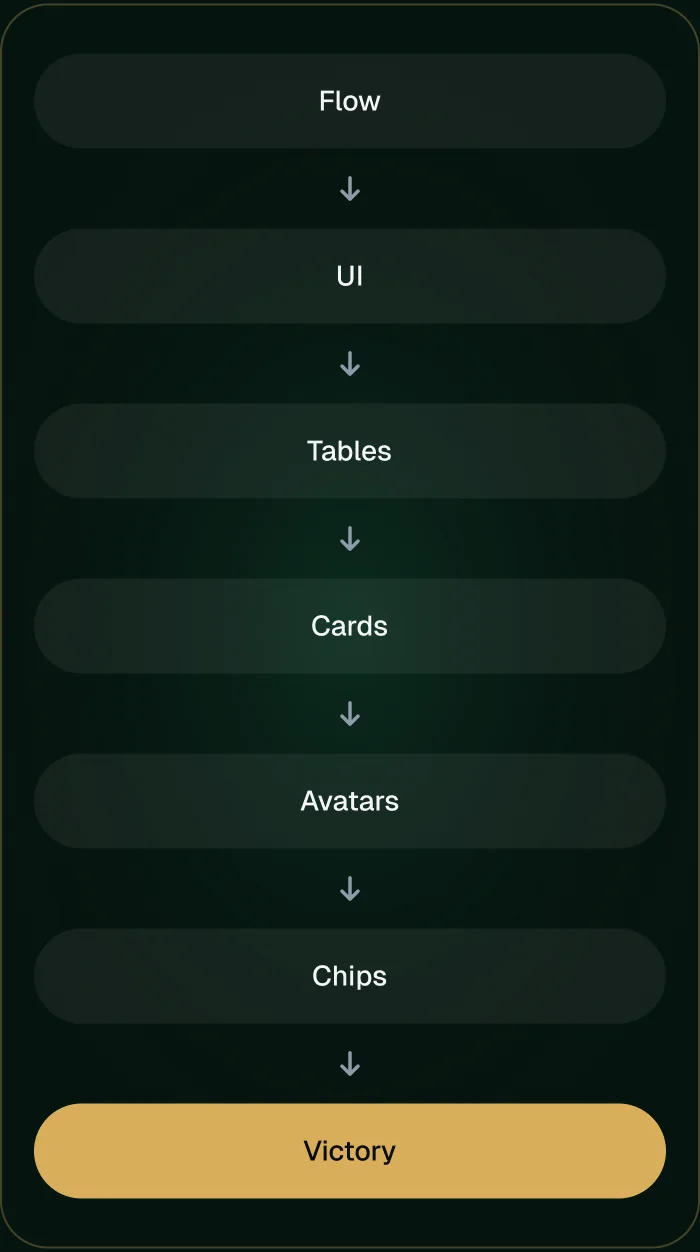
From the first screen to the last chip, I designed the whole thing.
The Flow and Screens
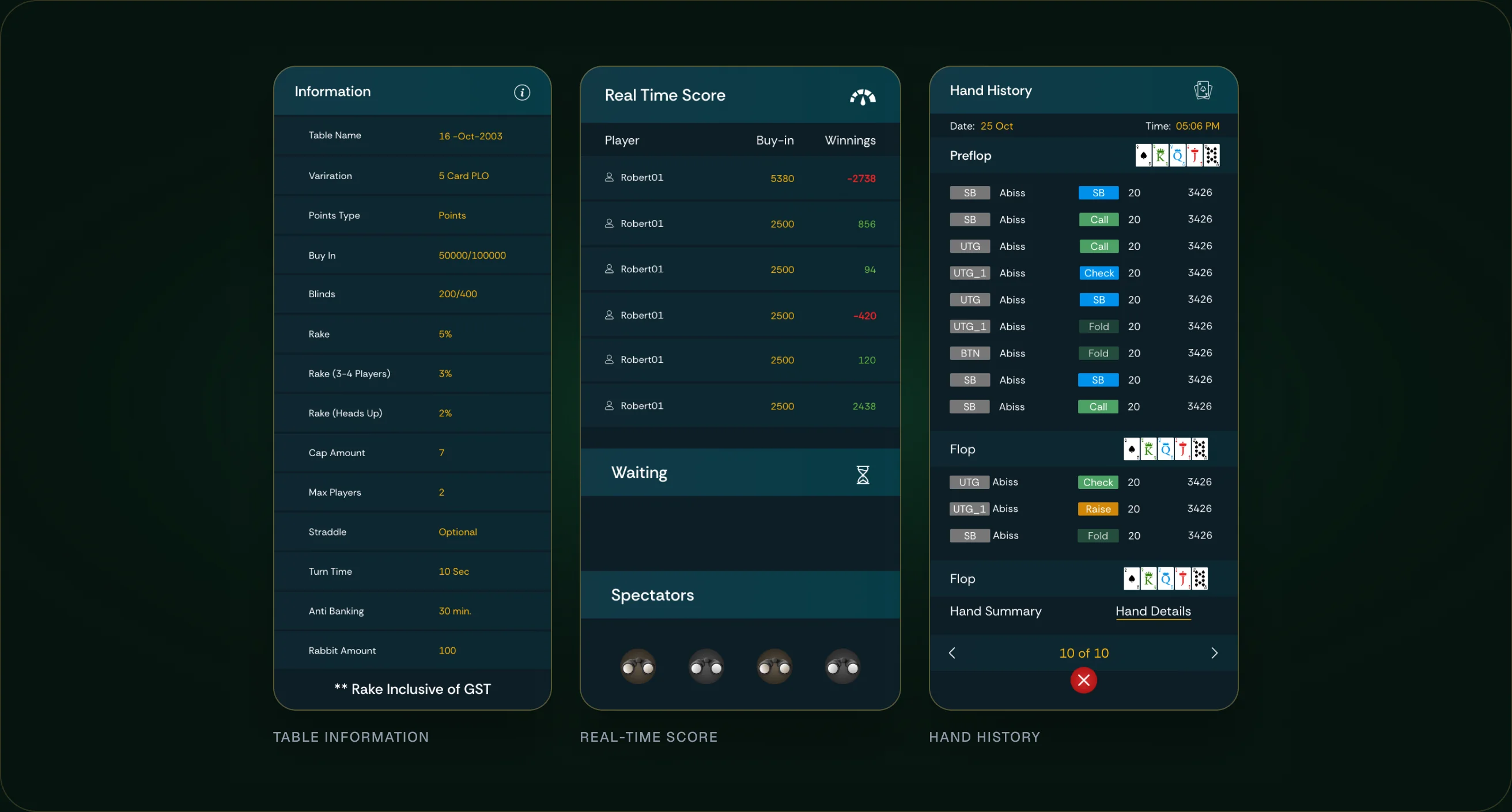
The complete journey from the login screens through to the gaming dashboard, designed for both web and mobile.

The Poker Tables
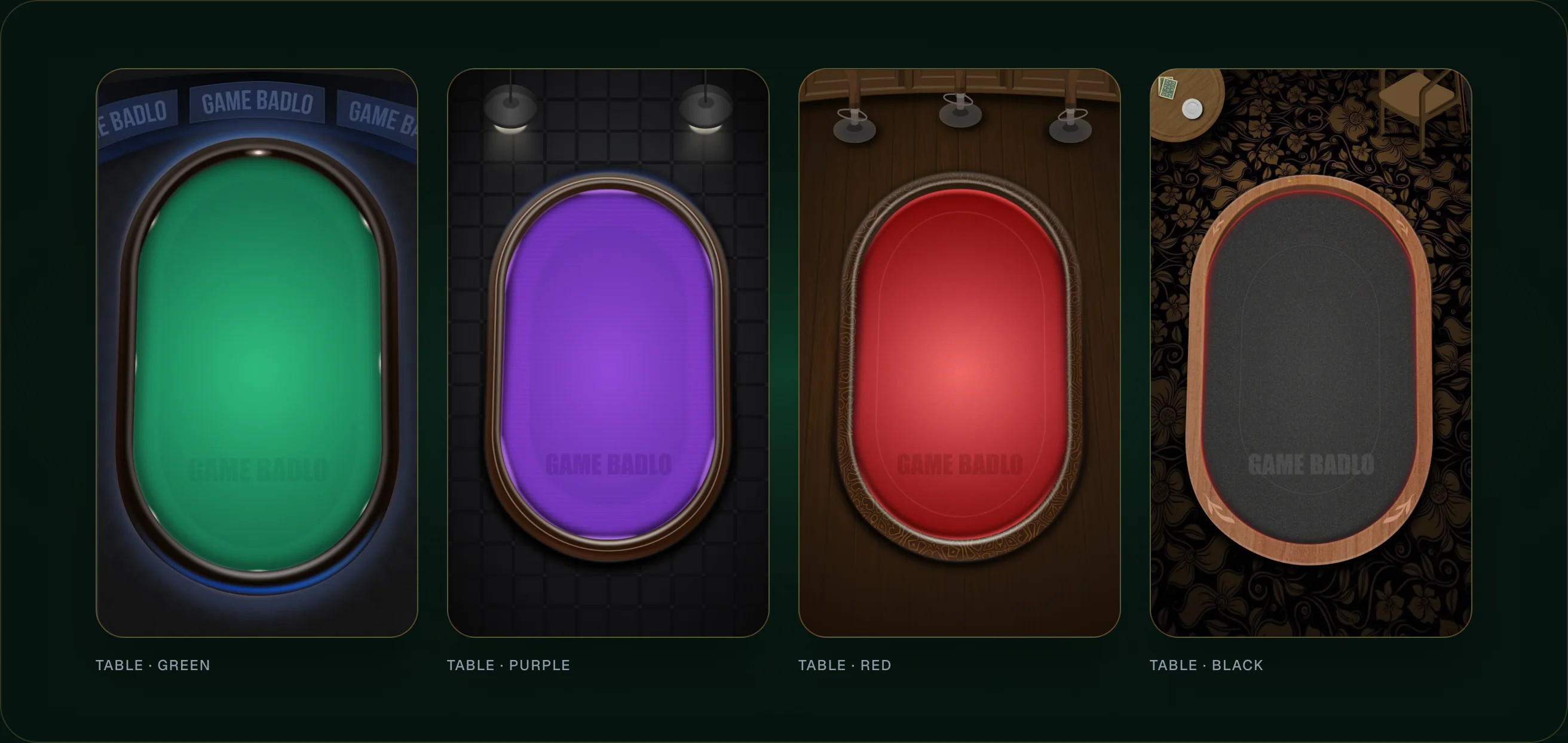
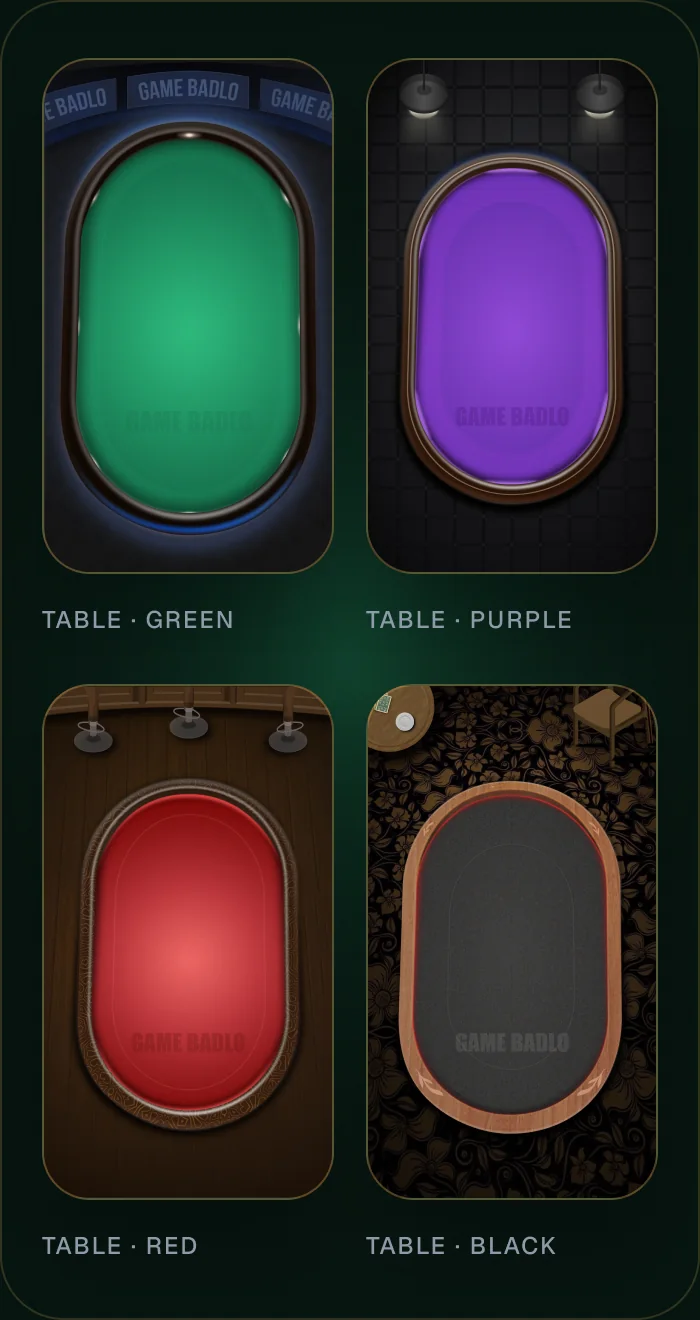
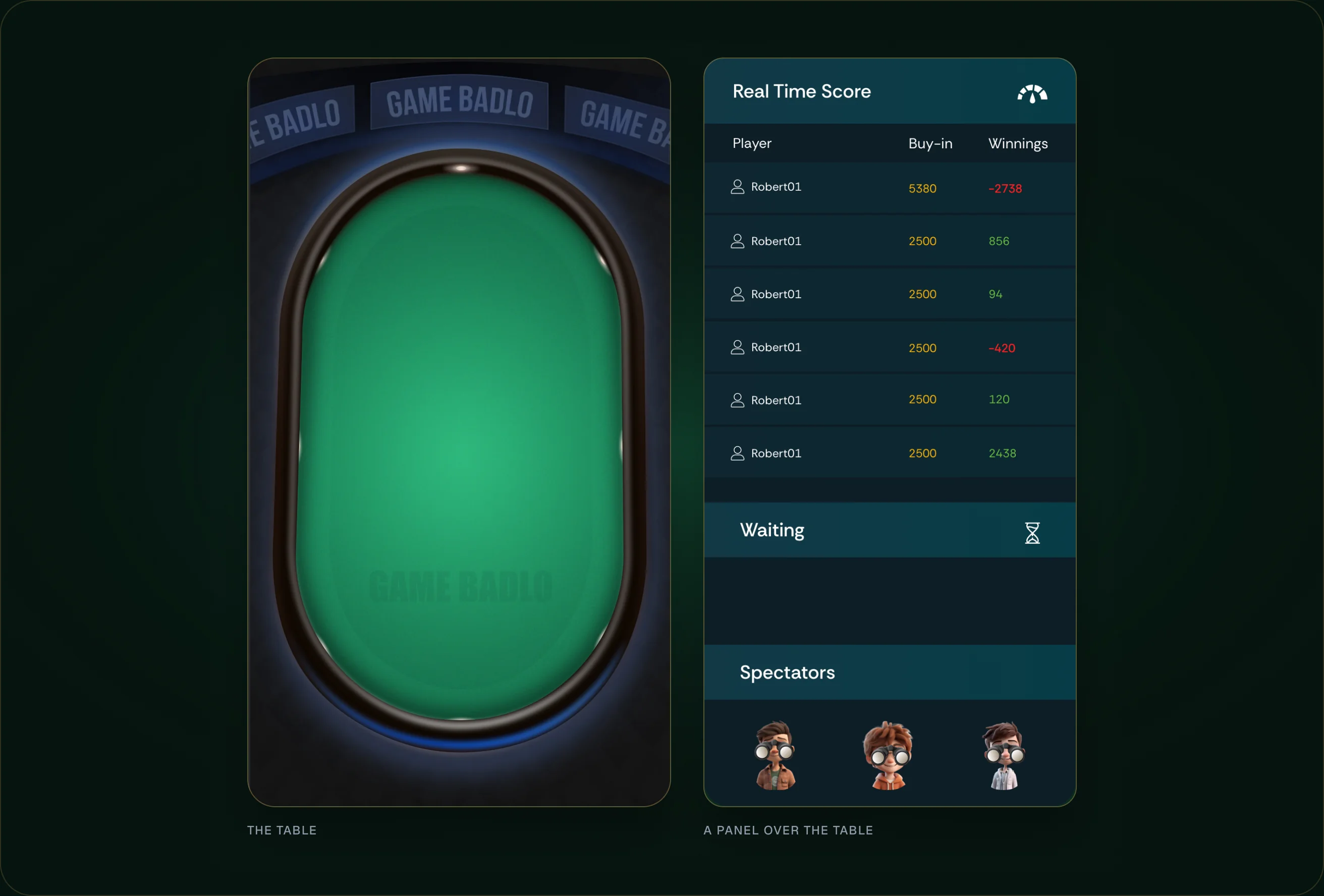
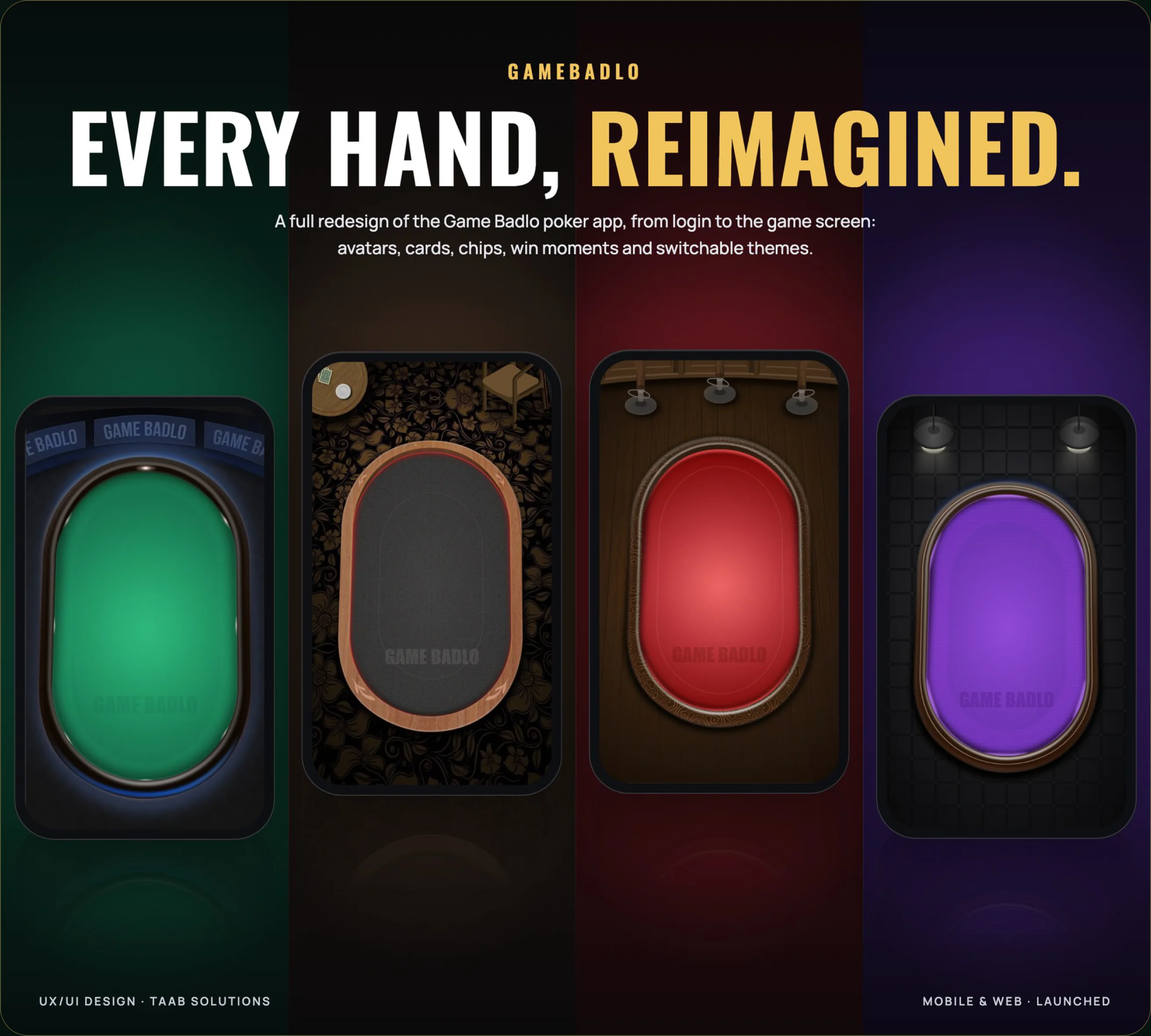
I designed around four or five different table designs, so the game has variety and players don’t stare at the same felt every hand.
Table Switching
Players can switch between tables mid-play whenever they want to change things up, without losing their place in the experience.
The Playing Cards
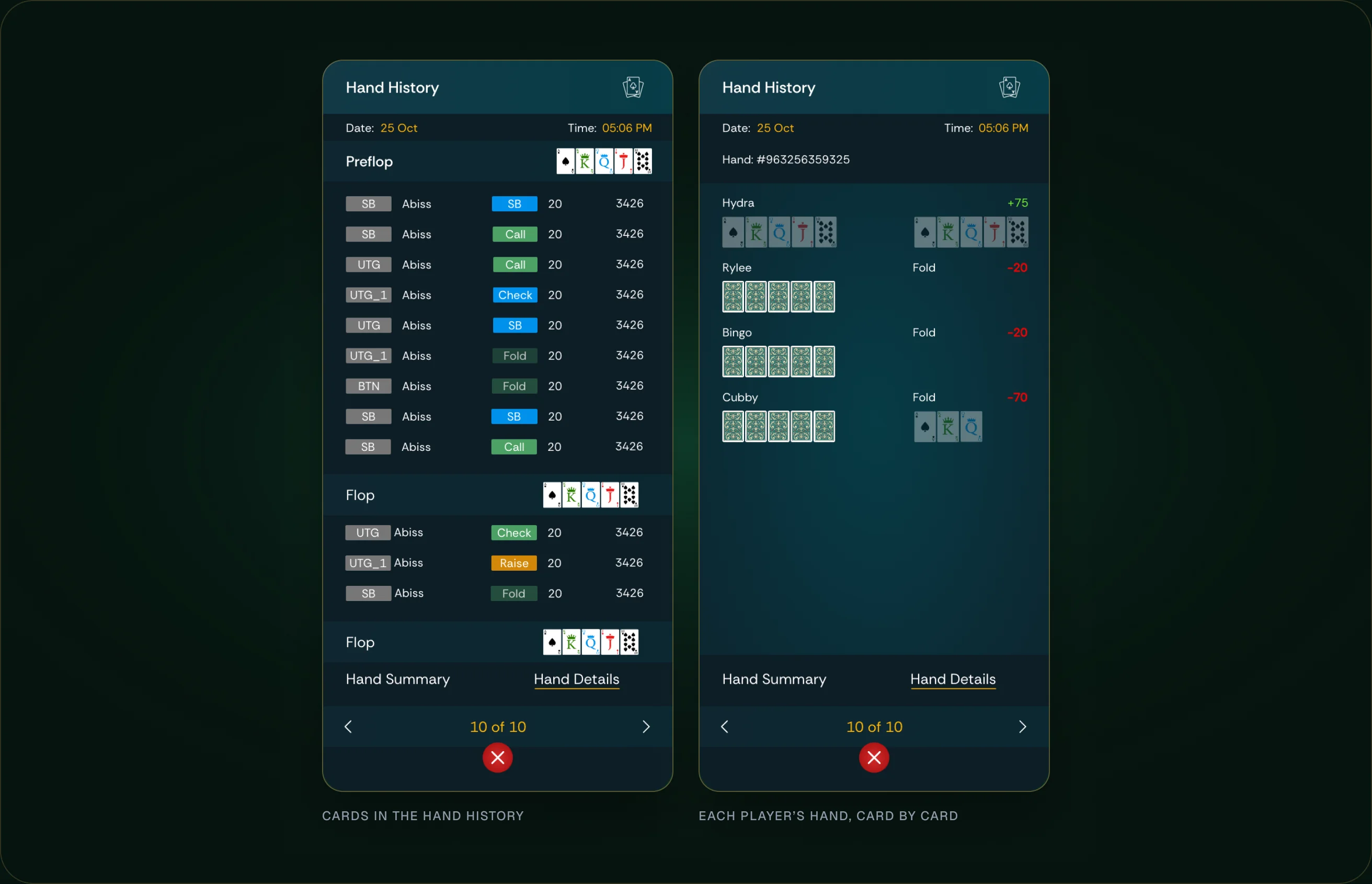
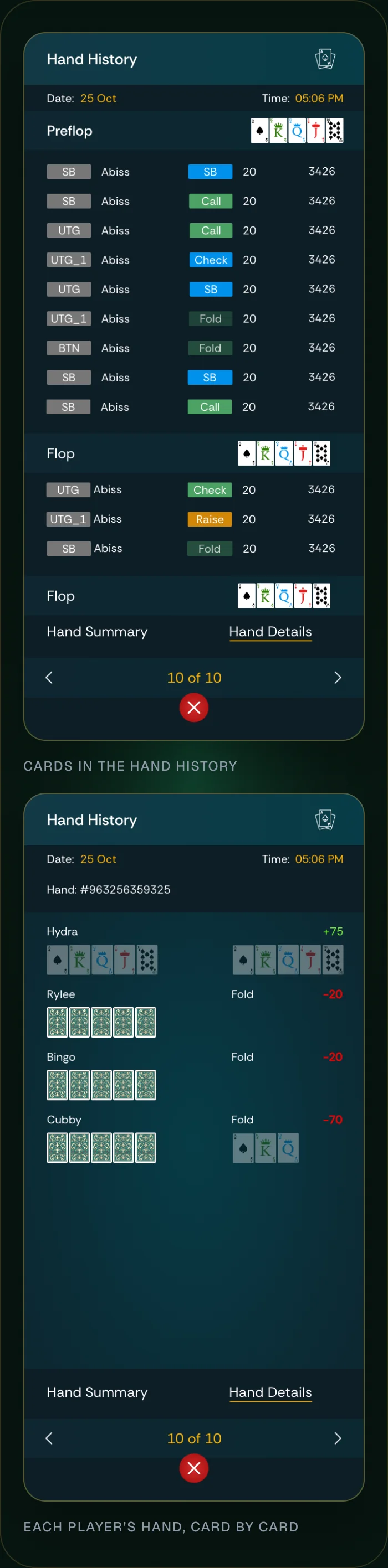
I didn’t know poker cards when I started, so I learned them and designed the full deck used in the app, the suits, the faces, the whole set.
Avatars, Chips and Coins
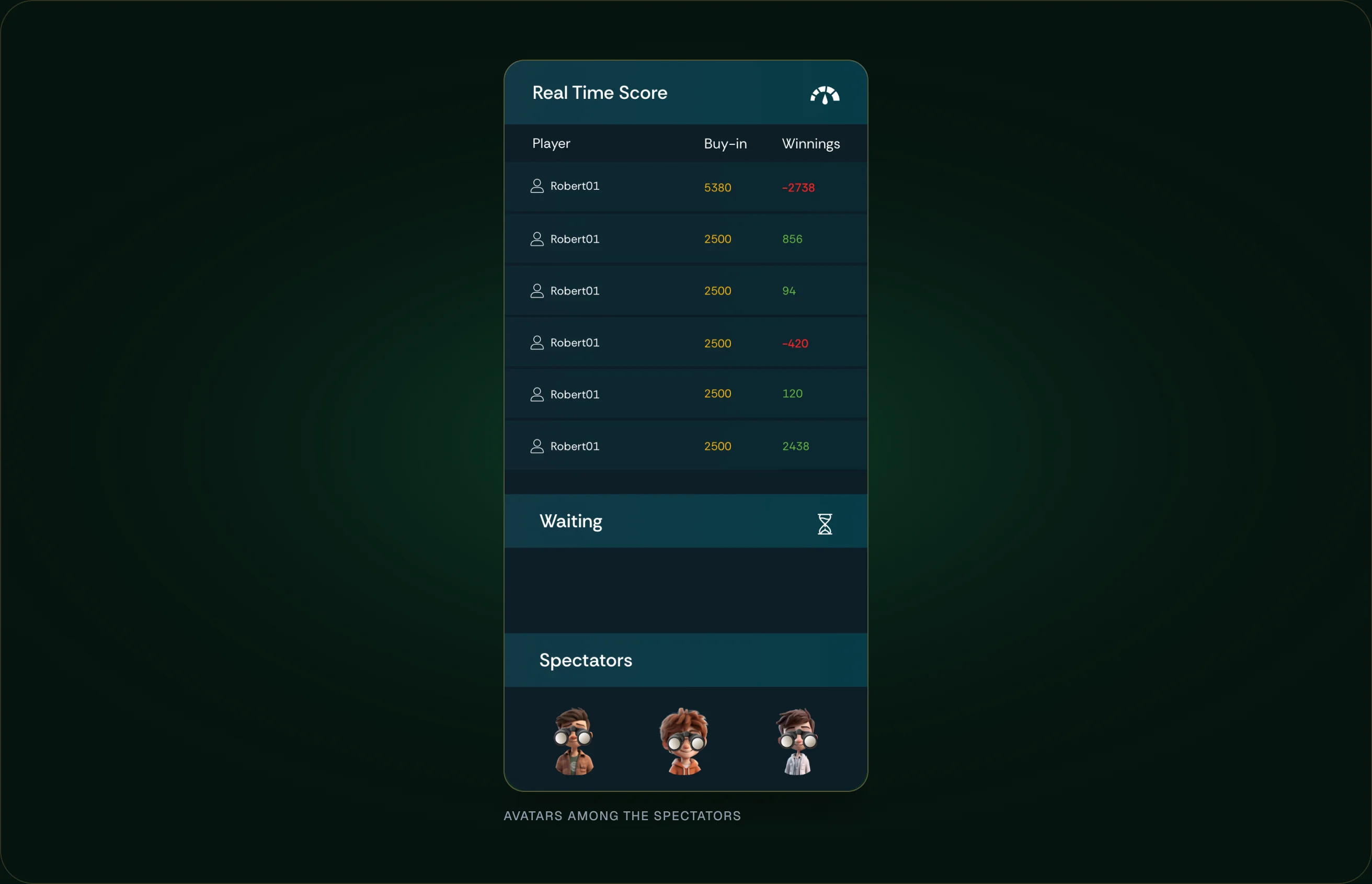
The avatars players pick to represent themselves, and the chips and coins they use while playing, all designed to feel like part of one world.

Victory Moments
The payoff: victory dances and victory symbols that fire when a player wins, turning a result into a moment worth celebrating.
Two things made this harder than a normal app.
Learning Poker from Zero
I started without knowing the cards poker uses or how the game is played. I couldn’t design on guesses, so I learned the game first, then designed the deck and the table around how poker actually works. That’s why the details feel right to real players.
Making One Dense Screen Work Everywhere
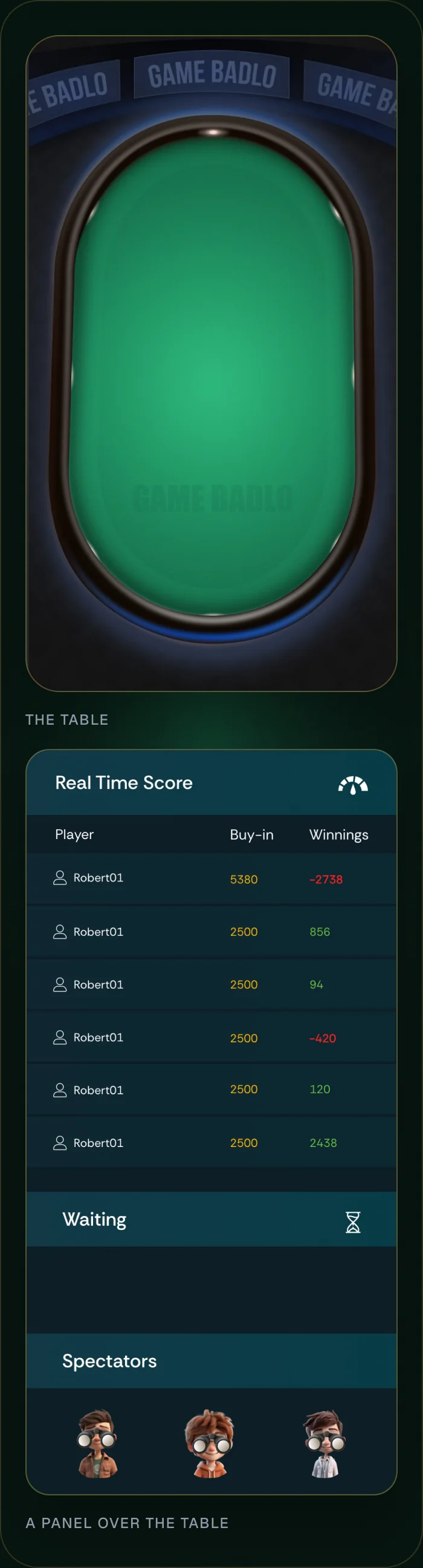
The poker table carries a lot, cards, chips, players, bets and timers, and it changes constantly. I had to make it readable and lively on a big web screen and on a small phone at the same time, and turn a flat earlier design into something with real energy, without ever sacrificing clarity.
Game Badlo launched and is live.
The redesigned game shipped and went live, and as far as I know it’s still live today, now as Game Badlo (originally Poker Magnet).
This project showed me I’m not limited to one kind of design.
Before Game Badlo, most of my work was standard apps and websites. Designing a game, the tables, the cards, the avatars, the victory moments, proved I could handle a completely different kind of product and visual language, and enjoy it.
It gave me confidence in my creative range: I can move between utility apps and expressive, playful products, and bring craft to both. That versatility is something I carry into every project now.

Open to UI/UX & product design roles